

How To Choose Survival Kits For Easy Maintenance
Most preppers spend hours curating the perfect bug-out bag, agonizing over the weight of every freeze-dried meal and the sharpness of their survival knife. Yet, when the grid goes down or a wildfire threatens the perimeter, the best gear in the world is worthless if it fails due to neglect. A survival kit is not a static inventory; it is a dynamic system that interacts with temperature, humidity, and time. Choosing kits designed for easy maintenance isn't about laziness—it’s about ensuring that your emergency preparedness gear remains operational when lives are on the line.
Quick Answer
To ensure your survival kits remain reliable with minimal effort, prioritize modularity and standardized storage. Organize contents into functional sub-pouches (fire, water, first aid) rather than loose items in a main bag, allowing for rapid visual inspections. Use lithium batteries to prevent leakage and store kits in climate-controlled environments to extend shelf life. Adopt a quarterly inspection routine for general kits and a monthly check for vehicle kits to catch degradation early.
Table of Contents
- Quick Answer
- Our Top Picks
- Modular Organization: The Key to Rapid Inspection
- Power Source Strategy: Lithium vs. Alkaline
- Environmental Hardening: Protecting Against Humidity and Temperature
- The Inspection Protocol: Quarterly vs. Monthly Checks
- Critical Components: Water, Fire, and First Aid Maintenance
- Frequently Asked Questions
- Sources & References
Our Top Picks
Affiliate disclosure: if you buy through these links, we may earn a commission at no extra cost to you.
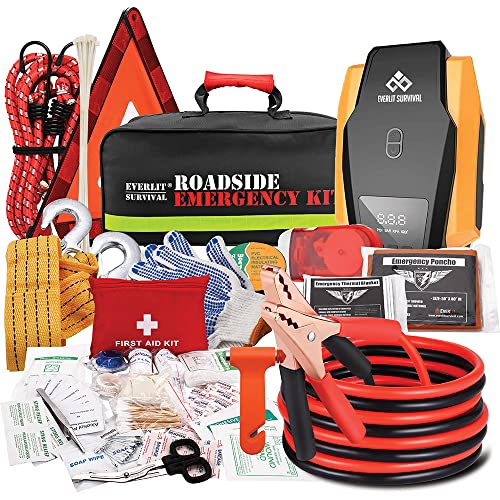



Modular Organization: The Key to Rapid Inspection
The biggest enemy of survival kit maintenance is disorganization. If your emergency radio, fire starters, and water purification tablets are jumbled together at the bottom of a backpack, you will inevitably skip inspections because the process feels tedious. The field-tested solution is to break your kit down into functional sub-containers. Use small, clear zip-lock bags or dedicated zippered pouches for each category: one for light and power, one for fire and warmth, one for water, and one for first aid.
This modular approach transforms maintenance from an hour-long project into a quick verification task. When you need to check your kit, you can pull out the "fire" pouch and verify that your ferro rods are present and your tinder is dry, without unpacking your entire survival backpack. This method mimics the military-style readiness reports used in high-stakes environments, ensuring that critical items are present and serviceable without digging through unrelated gear.
Power Source Strategy: Lithium vs. Alkaline
Power failure is a silent killer in emergency scenarios. Many preppers make the mistake of storing alkaline batteries inside their emergency radios, headlamps, or GPS units for long-term storage. Over time, alkaline batteries can leak corrosive electrolytes that destroy the contacts of your devices, rendering them useless even if the batteries themselves appear intact. For any survival kit intended for long-term storage, lithium AA or AAA batteries are the superior choice. They have a significantly longer shelf life and are far more resistant to leakage.
However, even lithium batteries should not be left installed in devices indefinitely if you are storing them for years. The best practice is to store spare batteries in hard plastic caddies or dedicated battery boxes, and only insert them into devices when you are actively using them or conducting a functional test. This prevents accidental activation and ensures that the device’s internal seals remain intact and dry.
Environmental Hardening: Protecting Against Humidity and Temperature
Moisture is the primary degradant of survival gear. It rusts survival knives, clumps emergency food, and ruins first aid adhesive strips. If your kit is stored in a vehicle, a garage, or a basement, it is subject to condensation cycles. To combat this, always store your sub-pouches inside a larger, sealed dry bag. Inside this dry bag, place desiccant packs to absorb ambient moisture. Check these packs during your routine inspections; if they no longer feel dry or have changed color (if using indicator packs), replace them immediately.
Temperature extremes also demand attention. While lithium batteries handle cold better than alkalines, other components are vulnerable. For instance, extreme cold can compromise the integrity of certain plastic casings or rubber seals on water filters. Conversely, high heat can degrade the potency of medications in your first aid kit and cause freeze-dried food packaging to delaminate. Choose storage locations that minimize thermal swings, and inspect seals and casings for brittleness or warping during your checks.
The Inspection Protocol: Quarterly vs. Monthly Checks
Consistency is more important than intensity. A well-organized survival kit can be fully verified in about 10 minutes if you have the right structure. For general bug-out bags stored in a closet or safe room, a quarterly inspection cycle is realistic and sufficient for most civilian needs. This aligns with the changing seasons, allowing you to adjust your kit for upcoming weather conditions—such as adding more insulation before winter or more hydration salts before summer.
Kits stored in vehicles require a higher frequency of attention. According to forum.army, vehicle kits should be inspected monthly due to the severe temperature swings and humidity fluctuations inherent in automotive storage. A car interior can reach extreme highs in summer and freezing lows in winter, accelerating the degradation of adhesives, batteries, and plastics. Set a calendar reminder for the first weekend of each month to pull your vehicle kit, verify contents against your inventory card, and rotate any perishable items.
Critical Components: Water, Fire, and First Aid Maintenance
Water filtration systems are complex pieces of technology that require specific care. Filters must be capable of handling turbid water, viruses, and bacteria to be considered emergency ready. During inspections, check for clogging, mold growth, or cracked housings. If your filter uses replaceable elements, verify the expiration dates. For gravity filters, ensure the valves seal properly by testing with water before packing them away. Never store a wet filter; always air-dry it completely to prevent bacterial growth inside the membrane.
Fire starters and first aid kits also require specific attention. Verify that your ferro rods have not accumulated too much residue to strike effectively, and check that your tinder (such as cotton balls or commercial fire cubes) remains dry and flammable. In your first aid kit, check the expiration dates on medications, antiseptics, and sterile dressings. Expired medications may lose potency or become harmful, and degraded adhesive strips will not hold a dressing in place. Replace these items immediately upon expiration; do not wait for the next quarterly cycle.
Frequently Asked Questions
How often should I inspect my bug-out bag?
For bags stored in stable indoor environments, a quarterly inspection is sufficient. For kits stored in vehicles or exposed to variable weather, a monthly inspection is recommended to catch temperature and humidity damage early.
Can I leave batteries in my emergency radio for long-term storage?
No. It is best to store spare batteries in separate hard cases and insert them only when needed. Leaving alkaline batteries in devices risks leakage and corrosion, while even lithium batteries can degrade device seals over very long periods.
What is the best way to organize a survival kit for easy maintenance?
Use functional sub-pouches or clear zip-lock bags for each category (fire, water, first aid, light). This allows you to inspect specific systems without unpacking the entire bag, reducing maintenance time to under 10 minutes.
Do I need to replace the desiccant packs in my dry bag?
Yes. Desiccant packs have a finite capacity for moisture absorption. Check them during inspections; if they feel damp or have changed color (if using indicator packs), replace them immediately to prevent corrosion and mold.
How does temperature affect my survival gear?
Extreme heat can degrade adhesives, medications, and plastic seals, while extreme cold can make plastics brittle and reduce battery performance. Vehicle kits are most susceptible to these swings, requiring more frequent checks.
What should I check on my water filter during an inspection?
Check for clogging, mold, or cracked housings. Ensure valves seal tightly and verify that replaceable elements are within their service life. Always ensure the filter is completely dry before storing it to prevent bacterial growth.
Maintaining a survival kit is primarily about logistics discipline. By adopting a structured approach to organization and inspection, you prevent the slow decay of neglect from turning into casualties during an emergency. Start today by breaking down your current kit into functional sub-pouches and establishing a clear inspection calendar. This small investment in routine ensures that when the time comes to grab your bug-out bag, you can move with confidence, knowing every component is ready to perform.