

Survival Kits vs Water Purification: Which Should You Buy in 2026
When a trip goes bad or the power stays off longer than expected, a large pile of gear is not automatically a prepared plan. Survival kits and water-purification products solve different problems. A survival kit gives you a broad collection of tools and supplies, while water purification addresses one critical need: making questionable water safer to drink.
This comparison is for preppers, hikers, hunters, travelers, and families building an emergency reserve. SurvivalLab attributes an estimate of more than 485,000 deaths annually worldwide to contaminated water, citing the World Health Organization. That makes water treatment more than another accessory in a bug-out bag. If you can buy only one category today, you need to understand whether you are filling a broad equipment gap or solving an immediate drinking-water problem.
Affiliate disclosure: if you buy through these links, we may earn a commission at no extra cost to you.


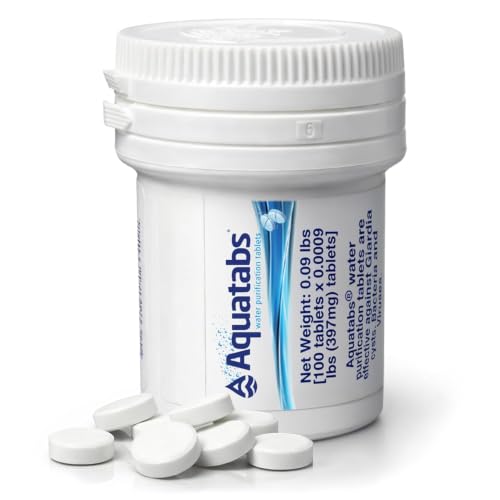

Table of Contents
- Our Top Picks
- Quick Verdict
- About Survival Kits
- About Water Purification
- Head-to-Head: Breadth vs. Depth
- Head-to-Head: Pathogen Protection
- Head-to-Head: Weight, Portability, and Volume
- Head-to-Head: Shelf Life, Maintenance, and Readiness
- Who Should Choose Survival Kits?
- Who Should Choose Water Purification?
- Our Verdict
- Frequently Asked Questions
- Sources & References
Our Top Picks
Affiliate disclosure: if you buy through these links, we may earn a commission at no extra cost to you.
Quick Verdict
Choose Survival Kits if...
- You need a starting point that covers several preparedness categories instead of water alone.
- You are outfitting a vehicle, household, or grab-and-go bag and are willing to audit the contents before relying on it.
- Your water plan is already covered, or you are prepared to add a dedicated filter, treatment tablets, or another backup method.
Choose Water Purification if...
- Your most urgent gap is safe drinking water from an uncertain source.
- Weight and portability matter, especially for hiking, hunting, travel, or a personal emergency kit.
- You understand that filtration may not remove viruses and are willing to use layered treatment when the source calls for it.
| Factor | Survival Kits | Water Purification |
|---|---|---|
| Price & Recurring Cost | No honest single range: listings can be narrow, such as a five-straw water product, or broad 250- and 262-piece bundles. Current prices depend on contents. | Tablets offer a low-cost entry point. TruePrepper listed the Waterdrop Gravity at approximately $36 on Amazon in its 2023 review; current prices vary. |
| Best Use | Broad readiness when you need multiple types of equipment in one organized package. | Making questionable water safer through boiling, chemical disinfection, filtration, UV treatment, or distillation. |
| Pathogen Coverage | Depends entirely on the individual items included. A kit's water component may be limited or may not provide complete purification. | Depends on the method. Boiling is the most reliable option for killing all pathogens in minutes; portable filters usually do not remove viruses. |
| Field Reliability | Only as reliable as the contents, instructions, packaging, and your inspection of the kit. | Strongest when you match the method to the water hazard and carry a second treatment approach as backup. |
| Portability & Capacity | Provides broader capability but can add weight and volume. Piece count does not reveal how efficiently the bag carries. | Tablets are extremely light, personal filters favor portability, and gravity filters suit family or higher-volume use. |
| Main Limitation | Large piece counts can hide missing, redundant, or low-priority gear, including an inadequate water solution. | No single method is perfect. Filters, tablets, UV devices, boiling, and distillation each have operating limits. |
About Survival Kits
A survival kit is an inventory, not a treatment method. Its value comes from breadth: depending on the package, it may help address several needs such as signaling, fire, first aid, shelter, cutting, or basic repairs. That can be useful when you are starting from nothing or preparing a vehicle and household cache. The problem is that a kit's label rarely tells you which items will matter most in your actual scenario.
Amazon search results also blur the line between the categories. A listing for five emergency water straws can appear beside 250- and 262-piece survival bundles, while an item named XUANLAN Emergency Survival Kit may appear in water-purification results. Treat those titles as search leads, not performance evidence. A high piece count can include small accessories and duplicates while leaving you without a dependable way to treat a specific water source.
Before trusting a survival kit, inspect the actual water component. Identify whether it is a filter, a chemical disinfectant, a straw, or simply a storage container. Check the quantity, instructions, expiration information, packaging, and any stated limits. The Mr. Survivalist guide identifies LifeStraw and Berkey filters as example survival water-filtration options and says they remove bacteria, parasites, and sediment. Even then, SurvivalLab notes that portable filters usually do not remove viruses. A kit can be a useful foundation, but it should not be treated as complete water purification without verifying the method.
About Water Purification
Water purification is a focused capability with several distinct approaches. SurvivalLab compares boiling, chemical disinfection, portable filtration, UV light, and distillation. Each handles a different set of practical constraints. Boiling needs heat and fuel, tablets need no heat, filters need a water source and maintenance, UV devices need power and relatively clear water, and distillation requires substantial energy.
Boiling is the reliability benchmark when you have the fuel and time: SurvivalLab describes it as the most reliable method for killing all pathogens in minutes. Chlorine bleach and purification tablets provide a lightweight, inexpensive, no-heat option when used correctly. Portable filters can remove sediment, bacteria, and protozoa, but they usually do not remove viruses. UV devices can neutralize microbes quickly, but they depend on electronic power and relatively clear water. Distillation can remove salts, heavy metals, and chemicals, but its energy demand makes it a specialized option.
For portable gear, the right choice depends on the job. TruePrepper recommends the Waterdrop Gravity as its main survival-filter pick and the Sawyer Mini as a compact option. Its review gave the Waterdrop Gravity an overall score of 66 and listed it at approximately $36 on Amazon at the time of its 2023 publication. Battery-powered reverse-osmosis filters and fast-filtering bottles are more specialized choices. The dependable approach is layered: store safe water first, carry a portable purification option, and keep a backup treatment method for conditions your primary device cannot handle.
Head-to-Head: Breadth vs. Depth
Survival kits win on breadth. If your emergency bag has no way to start a fire, signal for help, handle minor injuries, or make basic repairs, a thoughtfully audited kit can close several gaps at once. That matters during evacuation or when you are building a general-purpose cache. It also saves the time of sourcing every small item individually.
Water purification wins on depth. A dedicated treatment setup lets you choose a method, understand its limits, carry the right amount, and practice using it before an emergency. If your shelter, first aid, fire, and signaling needs are already covered, another broad bundle adds less value than a water plan you know will work with the sources available to you.
Head-to-Head: Pathogen Protection
A survival kit has no consistent pathogen profile because the contents vary. One kit may include a straw filter, another may include tablets, and another may include only general outdoor tools. Even when a kit includes a filter, do not assume it provides complete purification. A portable filter may handle sediment, bacteria, and protozoa while leaving viral contamination as an unresolved risk.
A dedicated water-purification setup makes the tradeoff visible. Boiling offers the broadest reliability when you can produce heat. Chemical disinfection avoids fuel and equipment weight. UV treatment is fast but depends on batteries and clear water. Distillation addresses salts, heavy metals, and chemicals but is energy-intensive. Because no method is perfect, combining two appropriate approaches is safer than treating one device as universal.
Head-to-Head: Weight, Portability, and Volume
A survival kit spreads its weight across many capabilities. That can be sensible in a vehicle or home cache, but less attractive when every ounce goes on your back. A 250- or 262-piece label does not tell you the packed weight, usable volume, or proportion of high-value equipment. Inspect the complete contents rather than assuming more pieces mean more capability.
Water-purification equipment can be selected around the mission. Tablets are a lightweight way to carry treatment without heat. A Sawyer Mini or similar personal filter prioritizes portability. A gravity filter such as the Waterdrop Gravity is better suited to family or higher-volume use. Boiling requires fuel and a suitable container, while UV devices add battery dependence. The best choice is the one you can carry, operate, and back up under the conditions you actually expect.
Head-to-Head: Shelf Life, Maintenance, and Readiness
Survival kits contain items with different storage and maintenance requirements. Consumables, treatment products, batteries, medical supplies, and food can all have different replacement schedules if they are included. A kit stored unopened for years may look complete while containing expired or degraded components. Schedule an inspection and replace anything whose date, packaging, or operating condition is uncertain.
Water-purification gear also needs deliberate upkeep. Keep treatment products in their original packaging and check printed expiration information. Inspect filters and follow the manufacturer's cleaning and storage instructions. Keep UV equipment powered and ready according to its instructions, and make sure a backup method is available if batteries, fuel, or clear water are unavailable. Shelf life is not just a calendar issue; it is whether the method is ready for the water source in front of you.
Who Should Choose Survival Kits?
Choose a survival kit if your preparedness program is missing several categories and you need an organized starting point. It makes sense for a vehicle, home, cabin, or family evacuation cache where carrying a broader mix of equipment is practical. It can also be useful for someone who wants an inventory to inspect and improve rather than buying every item separately.
Do not choose a kit solely because the package claims hundreds of pieces. Confirm that the bag includes useful equipment for your climate, travel area, and household, then add a dedicated water-purification plan if the included treatment method is unclear or incomplete. The kit should be the foundation of a broader system, not a substitute for understanding the system.
Who Should Choose Water Purification?
Choose water purification if drinking water is your most serious unresolved risk. It is the better first purchase for hikers, hunters, travelers, and preppers who already have basic shelter, fire, first aid, and signaling equipment. It is also the stronger choice for anyone who expects to draw water from streams, lakes, rain collection, or an uncertain emergency supply.
Match the method to the scenario. Use a personal filter when weight is the priority, a gravity filter when you need higher-volume treatment, and tablets when compact no-heat disinfection matters. If viruses may be present, do not treat a portable filter as complete purification. Carry or plan a second appropriate treatment method, such as boiling, chemical disinfection, or UV treatment.
Our Verdict
If I could buy only one category for a preparedness plan that has neither, I would buy water purification first. Safe drinking water is a direct survival requirement, and a dedicated method is easier to evaluate than a large bundle with unknown priorities. My preferred plan would be stored safe water, a portable treatment option matched to the expected volume, and a backup method for conditions the primary option cannot handle.
That does not make survival kits a bad purchase. A carefully audited kit is valuable when your wider equipment gaps are serious. But a 250-piece bundle is not automatically a water plan, and a pack of Aquatabs is not a replacement for fire, first aid, shelter, or signaling gear. Water purification wins the priority decision; survival kits win when breadth is the problem you need to solve next.
Frequently Asked Questions
Can a survival kit replace a dedicated water purifier?
Usually, no. Some kits include a straw filter or purification tablets, but the treatment method, quantity, and pathogen coverage vary. Check the actual contents and do not assume that a general survival kit provides complete purification.
Is a portable water filter the same as water purification?
Not always. Portable filters can remove sediment, bacteria, and protozoa, but they usually do not remove viruses. Filtration is one part of a water plan. Depending on the source, you may need boiling, chemical disinfection, UV treatment, or another backup approach.
What is the most reliable way to treat questionable water?
SurvivalLab describes boiling as the most reliable method for killing all pathogens in minutes. It is not always the easiest method because it requires heat, fuel, and a suitable container. A layered plan gives you options when boiling is impractical.
Should I choose a gravity filter or a personal filter?
Choose a gravity filter when you need higher-volume treatment for a family or group. Choose a personal filter such as the Sawyer Mini when portability is the main concern. In either case, understand what the filter does not remove and carry a backup method when viral contamination is possible.
Are Aquatabs enough for an emergency water plan?
Aquatabs can provide a lightweight, no-heat chemical-disinfection option, but one product should not be treated as universal protection. Check the label and expiration information, consider the water hazard, and keep another treatment approach available when conditions require more than chemical disinfection alone.


