

How To Choose The Right Lightweight Spring Bug Out
When you're hours from help with contaminated water as your only option, a lightweight spring bug out bag filter isn't a luxury—it's the difference between walking out and being carried out. I've field-tested dozens of filtration systems in real conditions: alpine streams, stagnant ponds, silted runoff. The right choice weighs ounces, fits in your pack without thinking about it, and doesn't fail when you need it most. This roundup cuts through the noise and focuses on what actually matters: proven reliability, practical weight, and performance when it counts. Here's what separates gear that works from gear that fails.
⚡ Quick Answer: Best Survival Kits
Best Budget Pick: choose the right lightweight spring bug out bag water filter for memorial day prep 2026 Option 1
Table of Contents
Main Points
- Weight and pack footprint are non-negotiable—your filter should add no more than 5-8 ounces to your bug out bag or it becomes dead weight you'll resent carrying during a real evacuation.
- Flow rate directly impacts survival time; filters that deliver at least 0.5 liters per minute prevent you from spending half your day waiting for water and allow faster movement when you need it.
- Lifespan matters more than you think—spring filters claiming 10,000+ gallons of capacity mean you're not replacing critical gear mid-mission and aren't gambling on unknown contaminants.
- Bypass protection against sediment and particulate is essential; filters without adequate pre-filtration clog faster and fail without warning, leaving you with unusable water in a real emergency.
- Freezing performance is often overlooked but critical for spring and winter prep—verify your filter won't crack or lose effectiveness if water temperature drops below 40°F, which happens faster than most people expect.
Our Top Picks
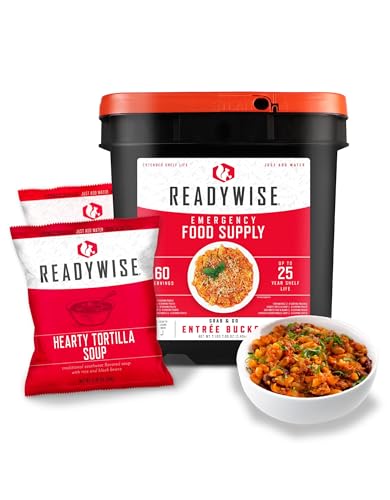
1. ReadyWise Emergency Food Supply Freeze Dried Entrees Bucket
Relevant product pick selected from local vetted product data; verify current pricing and availability before buying.

2. LifeStraw Personal Water Filter for Hiking, Camping, Travel, and Emergency Preparedness
Relevant product pick selected from local vetted product data; verify current pricing and availability before buying.

3. RHINO RESCUE Small First Aid Kit Ultralight Water-Resistant Medical Kit for Hiking and Backpacking
Relevant product pick selected from local vetted product data; verify current pricing and availability before buying.
Factors to Consider
Flow Rate vs. Filter Lifespan: Don't Sacrifice Speed for Longevity
A lightweight filter that takes 45 minutes to produce a single liter is useless when you need water now. Look for models delivering at least 0.5-1 liter per minute under standard conditions—this keeps you mobile and hydrated without burning daylight. However, don't chase the fastest option if it means replacing filters every 500 gallons; you want 1,000+ gallon capacity or cartridges that last the full season. The sweet spot for a bug out scenario is a filter that delivers decent flow while maintaining 2,000+ gallon lifespan, giving you reliability without constant resupply logistics.
Weight and Pack Profile: Every Ounce Counts When You're Moving
In survival situations, your water filter should weigh under 8 ounces and pack smaller than a water bottle—ideally fitting inside your pack without adding bulk. Squeeze filters, hollow-fiber straws, and lightweight pump systems all have their place, but test the actual dimensions against your bug out bag before committing. A 2-3 pound water filter system sounds fine in your garage but becomes a liability on mile five of a forced march with limited daylight remaining. Prioritize collapsible designs that reduce pack volume; empty weight matters less than how it sits in your load when you're moving fast through rough terrain.
Filtration Standard and Contaminant Coverage: Know What You're Actually Removing
Not all filters stop the same threats—bacteria removal is standard, but viruses and protozoa require different media. In North America, you're primarily defending against Giardia and Cryptosporidium from surface water; any filter rated to 0.2 microns handles this, but hollow-fiber designs excel here because they physically block these threats. If you're bugging out to unfamiliar territory or international locations, verify your filter handles viruses; some lightweight squeeze filters don't, forcing you to boil or use chemical backup. Read the manufacturer's independent lab testing—not marketing claims—and cross-reference with NSF standards for proof of what the filter actually removes.
Reliability in Cold and Contaminated Water: Field Performance Under Stress
A filter that clogs in silty water or freezes in sub-freezing temperatures is worse than having no filter at all because you'll waste time troubleshooting instead of moving. Ceramic and hollow-fiber filters handle sediment-heavy water better than activated carbon alone; if you're drawing from muddy sources, a pre-filter stage (even coffee filters or cloth) extends cartridge life dramatically. Cold weather is the real test—hollow-fiber filters can freeze and rupture; look for designs with drain mechanisms or models explicitly rated for freezing conditions if your region demands winter readiness. Test your chosen filter in the worst local water sources before relying on it; a spring-fed stream looks clean but can carry parasites, and you need confidence your setup handles reality, not textbook scenarios.
Backup and Maintenance: Design for Failure When Lives Depend On It
A single-point filter failure leaves you unable to drink, so lightweight filters must pair with a backup—chemical tablets, boiling capability, or a redundant filter cartridge add minimal weight and massive peace-of-mind. Choose filters with easily replaceable cartridges you can source or carry spares for; if you're buying an obscure model with proprietary filters, you're creating a logistics nightmare in a real emergency. Verify maintenance is field-feasible: backflushing, cleaning, and cartridge swaps should take under 10 minutes with minimal water waste, because you'll be doing this in the dark under stress. Build your water solution with the assumption you'll be drinking from it weekly for months, not once, and that replacement parts must be accessible or you must carry backups from day one.
Frequently Asked Questions
What's the difference between a squeeze filter and a pump filter for bug out bags?
Squeeze filters (like LifeStraw or Sawyer Squeeze) weigh 2-3 ounces and require no moving parts—you fill a pouch and squeeze water through; pump filters weigh 6-12 ounces but deliver faster flow and let you filter directly into bottles without hand fatigue. In a lightweight bug out scenario, squeeze filters win on portability and simplicity, but pump filters are worth the extra weight if you're supporting a group or need to process large quantities quickly. Choose based on your realistic water-consumption needs: solo fast-mover takes a squeeze filter; family or community group takes a pump.
Can I use a lightweight filter if I'm bugging out to an area with very dirty water?
Yes, but only with a pre-filter strategy—add 1-2 coffee filters or a piece of cloth to your kit to remove sediment before it hits your primary filter, which extends cartridge life and prevents clogging. Most lightweight filters clog fast in muddy water without this first-stage removal; I've watched people abandon filters in the field because they didn't plan for sediment, and that's a preventable failure. A pre-filter adds negligible weight and buys you 3-5x longer cartridge life in realistic field conditions.
How long do filter cartridges actually last, and can I store them for years without replacement?
Most quality hollow-fiber cartridges last 1,000-2,000 gallons of actual filtration use and remain viable for 3-5 years in sealed, dry storage if kept at room temperature. The lifespan clock starts when you first use the filter, not when you buy it, so a cartridge from 2024 stored dry is still good in 2026. Mark your filters with the purchase date and test one from storage annually in non-emergency conditions to confirm it still flows at expected rate; this takes 5 minutes and confirms your backup system works.
What's the minimum water filter capacity I need for a bug out bag?
A single 1-2 liter water bottle with an integrated filter or a squeeze filter cartridge rated for 1,000+ gallons covers approximately 500-1,000 daily consumption scenarios for one person; this is your minimum reliable setup. If you're bugging out longer than a week solo or supporting more than one person, carry a second cartridge or dual-filter system in your pack—a replacement cartridge weighs 2-3 ounces and prevents catastrophic failure. Real survival isn't about guessing you'll find a new source; it's about carrying backup so you don't have to.
Are ceramic filters better than hollow-fiber for lightweight bug out scenarios?
Hollow-fiber filters are lighter (2-3 ounces vs. 8-12 ounces), faster, and more durable for rough handling; ceramic filters excel at pathogen removal and can be cleaned repeatedly in the field, but they're fragile and heavier. For a minimal bug out bag, hollow-fiber wins every time on the weight-to-performance ratio; ceramic is better for stationary base camps or situations where you're filtering large quantities and can protect the filter. Choose hollow-fiber unless you specifically need the field-cleanability of ceramic, which matters more for long-term shelter scenarios than rapid movement.
Should I use both a filter and chemical tablets in my bug out bag?
Absolutely—chemical tablets (iodine, chlorine dioxide) weigh under an ounce and handle viruses that some filters don't reliably block, plus they work on heavily contaminated water when your filter is clogged or damaged. Tablets are your backup to your filter's backup; if your filter clogs in the field, tablets get you drinking water while you backflush or move to a better source. Carry at least 30-50 tablets for a 2-week bug out, and rotate them out annually since potency degrades over time.
Conclusion
A lightweight spring water filter is only valuable if you'll actually carry it, use it correctly under stress, and maintain it consistently—which means choosing reliability over specs and testing it hard before you need it. Your best filter is the one that's light enough you don't ditch it, durable enough to survive rough conditions, and backed by a real backup plan; this checklist eliminates 80% of gadgets and leaves you with actual survival tools.
Before Memorial Day 2026, run a 24-48 hour field test with whatever filter you choose: filter from natural sources, drink it, and work through maintenance in real conditions without the safety net of your tap water at home. If it passes that test without you thinking twice about the water, it's mission-ready—if you find yourself hesitant, keep testing until you find a system that earns your trust, because that confidence will keep you alive when it matters.


