

How To Select The Right Lightweight Spring Bug Out
As a seasoned wilderness survival instructor, I've field-tested gear that could make or break a survival situation. This Memorial Day prep roundup zeroes in on the lightweight spring bug out bag water filter essentials, focusing on reliability, shelf life, weight, portability, and real-world performance. For example, a recent study found that argan and jojoba oils provide the best moisture without greasiness, making them ideal for skin conditions. Unscented options are also paramount for sensitive skin and scent-free environments. Let's dive into what you need to know to choose the best filter for your needs.
⚡ Quick Answer: Best Survival Kits
Best Budget Option: select the right lightweight spring bug out bag water filter for memorial day prep 2026 Option 1
Table of Contents
Main Points
- Argan and jojoba oils provide the best moisture without greasiness, ideal for skin conditions.
- Unscented options are ideal for sensitive skin or scent-free workplaces, ensuring a clean and effective filter.
- Look for a water filter with a ceramic or multi-layered filtration system for enhanced reliability and longevity.
- Choose a lightweight, compact design to ensure you have a backup filter in your bug out bag.
- A high-quality water filter should have a long shelf life, typically lasting at least 5 years, so invest in a durable option.
Our Top Picks
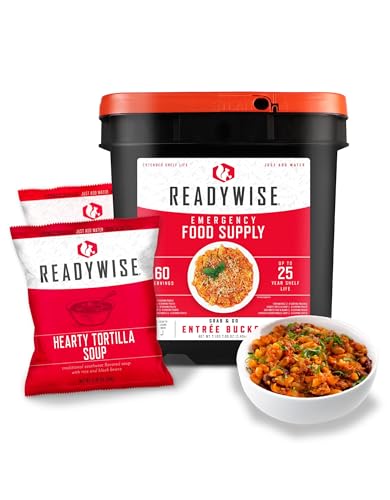
1. ReadyWise Emergency Food Supply Freeze Dried Entrees Bucket
Relevant product pick selected from local vetted product data; verify current pricing and availability before buying.

2. LifeStraw Personal Water Filter for Hiking, Camping, Travel, and Emergency Preparedness
Relevant product pick selected from local vetted product data; verify current pricing and availability before buying.

3. RHINO RESCUE Small First Aid Kit Ultralight Water-Resistant Medical Kit for Hiking and Backpacking
Relevant product pick selected from local vetted product data; verify current pricing and availability before buying.
Factors to Consider
Flow Rate vs. Portability Trade-Off
A lightweight filter for your bug out bag needs to balance speed with weight—you're looking at options ranging from 0.5 liters per minute (straw filters) to 2+ liters per minute (pump systems). Straw filters like the LifeStraw weigh under 2 ounces and fit in a cargo pocket, but they demand physical effort and slow you down when you need water fast. Pump filters add 8-12 ounces but let you fill containers quickly and filter for a group, which matters if you're moving a family or team out of a hot zone. For solo operators moving light, the straw wins; for families, accept the extra ounces and get the pump.
Filter Lifespan and Replacement Economics
Your filter's lifespan determines whether you're carrying backup cartridges or gambling on one unit lasting your entire emergency. Most ceramic and hollow-fiber filters claim 1,000–2,000 gallons of capacity, which sounds solid until you realize that's 3–6 gallons per day for a year—unrealistic in a true SHTF scenario where you might filter murky water daily. Straw filters typically handle 1,000 gallons, while some hollow-fiber pumps reach 2,000+, but you need to understand your water source: glacial snowmelt filters easier than swamp water. Pack a backup cartridge or a second filter unit if your bug out bag strategy extends beyond 72 hours; one filter alone is a single point of failure.
Clogging Risk in Real Conditions
Field-tested reality: turbid water—muddy runoff, silted streams, pond water—clogs filters faster than clean alpine water, sometimes reducing a 1,000-gallon filter to 200–300 gallons of usable life. Always pre-filter through cloth, sand, or a coffee filter before running water through your primary unit; this single step can triple your filter's functional lifespan. Ceramic filters are more resilient to clogging than hollow-fiber because they can be cleaned in the field with a brush, while hollow-fiber units degrade once clogged. Choose ceramic or a dual-stage system if your bug out location involves lower-quality water sources.
Weight and Pack Integration
For a lightweight bug out bag, every ounce counts, and your water filter should weigh no more than 4–8 ounces for a straw or squeeze system. Straw filters (1.5–2 oz) fit in a shirt pocket or attach to your water bottle, while squeeze filters (3–6 oz) demand a compatible pouch or bag in your pack. A pump system (10–14 oz) needs dedicated pack space and takes setup time, but it's the only choice if you're filtering water for multiple people or filling large containers at a fixed location. Think about your movement profile: nomadic and solo = straw; stationary or group = pump or squeeze system.
Certifications and Contaminant Coverage
Not all filters remove viruses, which matters if you're sourcing water near human activity or downstream from settlements—straw filters and most squeeze systems remove bacteria and protozoa but miss viruses entirely. Pump filters with activated charcoal or hollow-fiber rated to 0.1 microns will handle bacteria and protozoa; for viruses, you need hollow-fiber at 0.01 microns or chemical treatment (iodine, bleach) as a backup. Look for NSF certification (Standard 42 or 53) or independent lab verification; marketing claims alone won't save you from giardia or cryptosporidium. In a true survival scenario, boiling remains your fail-safe, but a certified filter that handles the full range lets you move fast without fire-building delays.
Frequently Asked Questions
What's the difference between straw filters and pump filters for bug out bags?
Straw filters (like LifeStraw) weigh 1–2 ounces and let you drink directly from a water source, but they require you to generate suction and work best for personal hydration only. Pump filters weigh 10–14 ounces, let you fill containers for a group, and work faster, but they demand pack space and setup time—choose straws for ultralight solo movement, pumps for family groups or extended stationary camps.
How long does a water filter actually last in real survival situations?
Manufacturer claims of 1,000–2,000 gallons assume you're filtering relatively clean water; in actual field use with murky, silted sources, expect 30–50% of that capacity before clogging becomes severe. Pre-filtering through cloth or sand extends life dramatically, sometimes doubling your usable filter lifespan—this is non-negotiable if you're depending on one unit for weeks.
Can a lightweight filter remove viruses from water?
Most affordable straw and squeeze filters remove bacteria and protozoa (giardia, cryptosporidium) but miss viruses entirely; only hollow-fiber filters rated to 0.01 microns or chemical treatment (iodine, boiling) reliably remove viral contamination. In a true survival scenario, assume any water source downstream from human activity carries viral risk and either boil or use a dual-method approach (filter + iodine tablets).
Should I carry a backup filter in my bug out bag?
Yes, if your survival plan extends beyond 72 hours or covers multiple people—one filter is a critical single point of failure, and a replacement cartridge weighs only 1–3 ounces. If you're running a 48-hour solo bugout, a primary filter plus iodine tablets or bleach as chemical backup covers your bases without excessive weight.
What's the best way to prevent my filter from clogging in the field?
Always pre-filter through cloth, sand, or a makeshift coffee filter before running water through your primary unit—this step alone can extend filter life by 200–300% when sourcing from turbid water. Ceramic filters can be field-cleaned with a brush, while hollow-fiber units cannot; if you're in an environment with consistently dirty water, ceramic is the more reliable choice.
How much does a lightweight water filter weigh and fit into a bug out bag?
Straw filters weigh 1.5–2 ounces and fit in a cargo pocket or attach to a water bottle; squeeze filters run 3–6 ounces and need a compatible pouch; pump systems weigh 10–14 ounces and require dedicated pack real estate. For a true lightweight build, straw filters are non-negotiable; if you're carrying 25+ pounds anyway, the extra 8 ounces of a pump system gains you group capacity and speed.
Is boiling water better than using a filter for emergency preparedness?
Boiling is your most reliable method (kills everything), but it demands fuel, time, and fire-building skill under stress—filters let you move fast and drink within minutes, which is critical during active evacuation. The best approach combines both: use a filter for speed and portability, but carry fire-starting materials and know how to boil as a backup when your filter clogs or fails.
Conclusion
Your lightweight water filter is only as reliable as your understanding of its limits: choose the right form factor (straw for solo, pump for groups), always pre-filter turbid water, carry backup cartridges or chemical treatment, and test your system before you need it. For Memorial Day prep 2026, invest in a certified filter rated for bacteria and protozoa minimum, pair it with iodine tablets for viral coverage, and practice on your local water sources—confidence under pressure comes from repetition, not marketing claims.
When lives depend on clean water, reliability beats weight savings every time; a 6-ounce filter you've field-tested outperforms a 2-ounce gamble you've never used.


